Consequences of Child Abuse
📅 2026 Update: Recent Changes in Child Abuse Laws
Since the original article was published, there have been several important updates in child abuse laws and reporting requirements across the United States. These changes impact how abuse and neglect are defined, the training for mandated reporters, and the resources available for those in need. Readers can find more detailed information in the sections below.
🧑🏫 New Training Requirements for Mandated Reporters
In February 2024, New York State Governor Hochul signed new legislation. This law requires additional training for professionals who must report child abuse. The training will focus on identifying abuse in children with intellectual or developmental disabilities.
Mandated reporters must complete this training by November 17, 2026.
🚨 Changes to Definitions of Abuse
Washington State updated its definitions of "abuse or neglect" in recent years. As of April 20, 2023, the definition now includes "female genital mutilation." Then, on July 1, 2025, it added "sex trafficking" and "severe forms of trafficking in persons." These updates reflect growing awareness of various forms of abuse.
🖥️ New Laws Against AI-Generated Abuse Material
As of September 2026, research shows that 47 states have enacted laws that criminalize AI-generated or computer-edited child sexual abuse material (CSAM). This marks a significant legislative response to the rise of technology that can exploit children.
💰 Increased Federal Funding for Child Welfare
For the fiscal year 2026, the Child Abuse Prevention and Treatment Act (CAPTA) allocated approximately $212 million for child welfare programs. This funding supports state grants, community-based prevention programs, and research to combat child abuse and neglect.
📌 Key Updates Summary
- 🧑🏫 New York mandates training for reporters on abuse in children with disabilities by November 2026.
- 🚨 Washington State now includes "female genital mutilation" and "sex trafficking" in abuse definitions.
- 🖥️ Laws against AI-generated CSAM are enacted in 47 states.
- 💰 CAPTA allocated $212 million for child welfare programs in 2026.
💡 Tips for Reporting Child Abuse
Review the details of your situation with your attorney.
🛑 Know How to Report
If you suspect child abuse or neglect, you can report it to your state's Child Protective Services (CPS) agency or local law enforcement. The Childhelp National Child Abuse Hotline is also available 24/7 for guidance.
👩⚕️ Understand Mandatory Reporting
Certain professionals like healthcare workers and educators are legally required to report suspected abuse. Familiarize yourself with who is mandated to report in your area.
⏳ Follow Reporting Timelines
Under federal law, professionals working on federal land or in federally operated facilities must report suspected child abuse within 24 hours. Make sure you understand the timeframes that apply to your situation.
🧠 Recognize Signs of Abuse
Be aware of the signs that may indicate abuse or neglect. These can include unexplained injuries, changes in behavior, or fear of going home. Early recognition can lead to timely intervention.
📚 Utilize Available Resources
If you need support, use resources like the Childhelp National Child Abuse Hotline or the National Center for Missing & Exploited Children. These organizations provide free and confidential assistance.
🏆 Free Options Ranked by User Reviews (2026)
No national paid services in this area met the review threshold for inclusion. Instead, this section highlights free government and nonprofit resources that can assist with child abuse concerns.
🥇 1. Childhelp National Child Abuse Hotline
This hotline offers free, confidential support 24/7. It provides guidance for those who are concerned about child abuse and helps individuals understand how to report suspected abuse.
🥈 2. National Center for Missing & Exploited Children (NCMEC)
NCMEC provides resources for reporting online exploitation of children. Its CyberTipline allows users to report incidents related to child exploitation, ensuring that concerns reach the right authorities.
🥉 3. State Child Protective Services (CPS)
Each state has its own CPS agency that deals with reports of child abuse and neglect. Contacting your local CPS can initiate investigations and provide support services for affected children and families.
4️⃣ Local Law Enforcement
Local police departments are equipped to handle reports of child abuse. They can investigate claims and work with CPS to ensure children's safety in your community.
🔎 What to Consider Before Paying for Help
- 🕵️♂️ Look for free resources first.
- 💬 Check reviews and ratings of services.
- 📞 Verify the credentials of any organization.
- 📊 Understand the services they offer.
❓ Frequently Asked Questions
❔ What should I do if I suspect a child is being abused?
You should report your concerns to your state's Child Protective Services or local law enforcement. Reporting can protect the child and ensure they receive help.
🤔 How can I identify signs of child abuse?
Signs can include unexplained injuries, behavioral changes, or fear of certain individuals. Be observant and act if you notice these signs.
🆘 Are there penalties for not reporting abuse?
Yes, certain professionals are mandated reporters and can face legal consequences for failing to report suspected abuse. Know your obligations.
📞 What resources are available for immediate support?
The Childhelp National Child Abuse Hotline is available 24/7 for immediate support. You can also contact NCMEC for assistance related to child exploitation.
🏢 How does CPS handle reports of abuse?
CPS investigates reports of child abuse or neglect based on state laws. Their procedures may vary by state and depend on the specifics of the case.
📅 How often do child abuse laws change?
Child abuse laws can change frequently as new legislation is enacted. It's important to stay informed about the latest updates in your state.
⚖️ Recent Cases Related to Child Abuse
Recent court rulings have addressed various aspects of child abuse laws, including reporting requirements and definitions of neglect. These rulings can shape how abuse is identified and reported.
- Florida court reverses child pornography convictions in appealDistrict Court of Appeal of Florida · October 30, 2020
- Florida court corrects error in child battery case rulingDistrict Court of Appeal of Florida · November 20, 2020
- Court affirms life sentences for juvenile offender WilliamsDistrict Court of Appeal of Florida · January 6, 2021
- Florida court affirms conviction for child pornography caseDistrict Court of Appeal of Florida · February 12, 2021
You can browse more rulings in the news section.
End of October 2026 Update
What is the Legal Definition of Child Abuse?
The illegal act of child abuse is formally defined as the general mishandling--through unlawful wrongdoing, neglect, or unethical activity--of a minor or child. As a result of this loaded definition, child abuse can range in severity and in nature; child abuse can be a physical, emotional or psychological attack on a minor or child. Additionally, any neglectful act that results in death, physical or emotional harm, exploitation or sexual abuse constitutes child abuse.
The legal definition of “what is child abuse” will differentiate between jurisdictions; the varying interpretations of “what is child abuse” are instituted to develop a qualification system in regards to removing a child from his or her family and or placing a criminal charge on the aggressor.
Types of Child Abuse
Child abuse is any physical, sexual or emotional mistreatment of a child; in the United States, the Centers for Disease Control and Prevention have defined child abuse as any act or series of acts of omission or commission instituted by a parent or caregiver that directly results in harm or a threat of harm to the child in question. In addition to the aforementioned types of child abuse, the United States federal government has also classified any neglectful act directed towards a child as a distinct form of abuse.
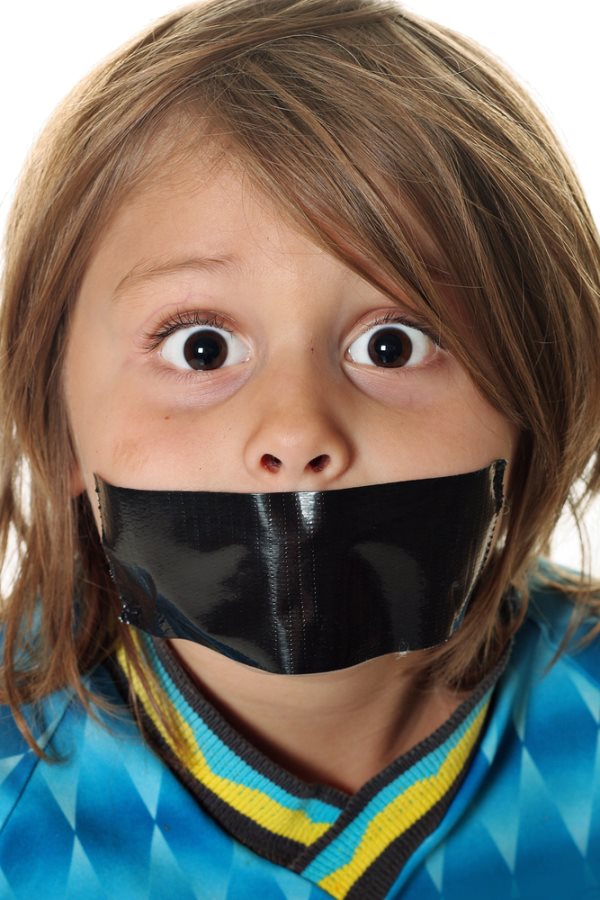
Neglect, in regards to what is child abuse, is described as any delinquent act with regard to the well-being and welfare of the child—these actions can include disregard, rejection or abandonment. As a result of this definition, a neglectful act can take place in conjunction with the aforementioned child abuse offenses.
Due to the ages of the underlying victims, the punishments attached to child abuse convictions are typically severe; the key characteristic of a child abuse charge is that the victim of the assault—whether emotional, physical or psychological abuse—is under the age of maturity.
What are the Punishments attached to a Child Abuse Conviction?
The age of the victim in a child abuse situation is the predominant factor to yield appropriate charges; although child abuse is typically defined as abuse directed towards a minor, the severity of the conviction and subsequent punishment will rely heavily on the respective age of the victim. Furthermore, the level of severity, meaning the direct harm placed on the child, will elucidate upon the punishments; for instance, if the abuse was so severe that it precipitated a death, the aggressor will invariably be charged to a maximum prison sentence. In turn, instances of emotional abuse, such as perpetual name calling, will typically warrant a civil punishment, such as the termination of custody or caretaking rights and not a criminal sentence.
What is the legal definition of a Child?
As stated before, the fundamental element of a child abuse case-- in conjunction with the tangible delivery of sexual, emotional, psychological or physical pain through omission or commission—is that the victim in question is a minor or child. As defined by law, a child is any individual who is prohibited from engaging in specific activities, which are reserved for those who carry a heightened sense of maturity and growth as a result of their respective age. Typically, this level of experience and maturity is considered to be a fundamental characteristic of legal-adult hood.