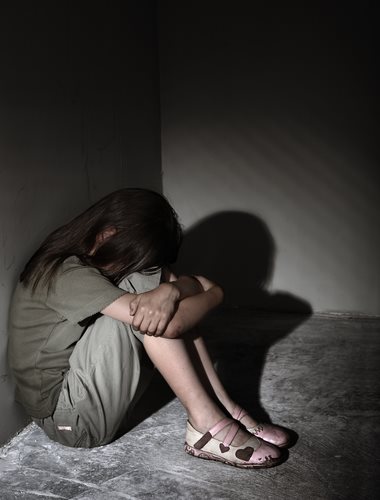
What to do if a Friend or Family Member is the Victim of Child Abuse? READ THIS
📅 2026 Update: Recent Developments in Child Abuse Reporting and Protections
Since the original article was published, there have been important updates in child welfare laws. These changes aim to improve the reporting and handling of child abuse cases, particularly for vulnerable populations. The original article continues further down the page.
🆕 New Training Requirements in New York
In February 2024, New York State enacted legislation that mandates extra training for professionals who report child abuse. This training includes protocols for identifying abuse in children with intellectual or developmental disabilities. Reporters must complete this training by November 17, 2026.
🆕 Expanded Definitions in Washington State
Washington State updated its definition of "abuse or neglect" in two significant ways. As of April 20, 2023, it now includes female genital mutilation. Then, on July 1, 2025, the definition further expanded to cover sex trafficking and severe forms of trafficking in persons.
🆕 New Laws Against AI-Generated Child Exploitation
As of September 2026, research indicates that 47 states have enacted laws that make it illegal to create or share AI-generated or computer-edited child sexual abuse material (CSAM). This marks a significant legislative effort to protect children from emerging technologies.
🆕 Child Welfare Funding Increase
For the fiscal year 2026, the Child Abuse Prevention and Treatment Act (CAPTA) allocated about $212 million for child welfare programs. This funding supports state grants, community-based prevention programs, and research aimed at combating child abuse.
📌 Key Takeaways
- New York requires mandated reporters to complete training by November 17, 2026.
- Washington State expanded definitions of abuse to include sex trafficking and female genital mutilation.
- Laws against AI-generated child exploitation were enacted in nearly all states.
- Federal funding for child welfare programs has increased significantly in 2026.
💡 Tips for Reporting Child Abuse
Review the details of your situation with an attorney.
📝 Understand Your Reporting Obligations
Know if you are a mandated reporter. Certain professionals like healthcare workers and teachers are legally required to report suspected abuse or neglect. Failing to report can lead to legal consequences.
📞 Use Available Resources
If you suspect child abuse, you can call your state’s Child Protective Services (CPS) agency or law enforcement. The Childhelp National Child Abuse Hotline is also available 24/7 at 1-800-422-4453 for guidance on how to file a report.
⏰ Report Promptly
Under federal law, professionals working on federal land must report suspected abuse within 24 hours. Timely reporting can be crucial in protecting the child and ensuring they receive help.
👩🏫 Complete Required Trainings
In New York, mandated reporters must complete updated training on identifying abuse in children with disabilities by November 17, 2026. Ensure you are up-to-date on these requirements.
🔍 Document Your Observations
Keep detailed notes if you suspect child abuse. Record what you saw or heard, including dates and times. This information can be helpful when making a report.
🏆 Free Options Ranked by User Reviews (2026)
No national paid service in this area met the review threshold, so this section lists free government and nonprofit resources named in FACTS instead.
🥇 1. Childhelp National Child Abuse Hotline
The Childhelp National Child Abuse Hotline is available 24/7. It offers confidential support and guidance for individuals concerned about child abuse or neglect. Call 1-800-422-4453 for immediate assistance or information.
🥈 2. National Center for Missing & Exploited Children (NCMEC)
NCMEC provides resources for reporting online exploitation of children. They operate a CyberTipline to report incidents of child exploitation, helping keep children safe from abuse.
🥉 3. Child Protective Services (CPS)
Each state has its own CPS agency that investigates reports of child abuse and neglect. They provide resources and support to families and individuals who suspect abuse. You can find your state’s CPS contact information online.
🔎 What to Check Before Paying for Help
- 📞 Are free resources available in your area?
- 🛡️ Is the service reputable and well-reviewed?
- 💬 What do past users say about their experiences?
- 📄 Are there any hidden fees associated with the service?
❓ Frequently Asked Questions
❓ What should I do if I suspect a child is being abused?
If you suspect abuse, contact your state’s Child Protective Services or law enforcement immediately. You can also call the Childhelp National Child Abuse Hotline for advice.
📅 How long do CPS investigations take?
The processing times for CPS investigations can vary widely based on the state and the complexity of the case. There are no standard timelines.
📋 Who are mandated reporters?
Mandated reporters include professionals like healthcare workers, teachers, and law enforcement officers who are required by law to report suspected child abuse or neglect.
🔍 How can I report suspected abuse anonymously?
You can report suspected abuse anonymously by contacting your state’s CPS or using the Childhelp National Child Abuse Hotline. They will guide you on how to proceed.
📖 Are there new laws regarding child abuse reporting?
Yes, recent laws in various states have expanded definitions and training requirements regarding child abuse reporting, especially focusing on vulnerable populations.
☎️ What if I am unsure about reporting?
If you are unsure, you can call the Childhelp National Child Abuse Hotline. They can provide guidance on how to approach the situation without immediately filing a report.
⚖️ Recent Legal Cases Related to Child Abuse
Several recent court rulings have shaped the landscape of child abuse laws, emphasizing the importance of timely reporting and protective measures for children. These changes relate directly to the subject of reporting and handling child abuse cases.
- Ohio Court of Appeals rules on child endangerment caseOhio Court of Appeals · July 13, 2026
- Oregon Court upholds convictions in child sexual abuse caseCourt of Appeals of Oregon · July 15, 2026
- Oregon court affirms conviction of man for child sexual abuseCourt of Appeals of Oregon · July 15, 2026
- Iowa Court Affirms Ruling in Juvenile Sexual Abuse CaseCourt of Appeals of Iowa · July 22, 2026
You can browse more rulings on the news page to stay updated on the latest legal developments in child welfare.
End of October 2026 Update
Identifying a Victim of Child Abuse
Due to the fact that a varying nature of Child Abuse exists, identifying an abused person can prove to range in difficulty; yet, in certain cases, victims of child abuse will avoid discussing their abuse – oftentimes, victims of child abuse will present dishonest explanations for evidence of child abuse. In the event that you suspect that a friend or family member is the victim of Child Abuse, this can be an extremely difficult and emotionally-trying experience for the victim, as well as for you:
The reasons that have brought you to this article suggest that you are a caring and compassionate individual who is concerned for the safety of a friend or loved one; you are encouraged to allow yourself a great deal of credit for taking the initiative to protect the safety and wellbeing of another person, as well as contribute to preventing criminal behavior
Types of Child Abuse
Child Abuse can take place in a variety of forms; some of which are visible, others are not. In certain cases, a bruise, injury, or blemish may be the result of Child Abuse, while in other cases, that injury may have taken place as a result of an accident or mishap; as a result, the classification of Child Abuse is an extremely difficult one. Child Abuse occurs most commonly on a physical, sexual, emotional, or psychological level; while the effects of physical and sexual child abuse may be more evident, the effects of emotional and psychological child abuse may not be.
Signs of Child Abuse
Some of the most common signs of child abuse may include the following:
Bruises, injuries, and blemishes on the body of a victim occurring on a consistent basis
Hints and attempts to convey the abuse on the part of the victim; these may arise in a vague fashion – you are encouraged to be aware of the words and statements issued by a friend of loved one
Reporting Child Abuse Involving a Friend or Family Member
Identifying Child Abuse is rarely uniform, and you are encouraged to remember that even the accusation of alleged Child Abuse can carry with it very serious repercussions; Child Abuse is typically punished to the fullest extent of the law – however, you are encouraged to address your concerns to a law enforcement agent, religious leader, or school official. Upon reporting a Child Abuse offense, you may be met with dispute or resistance from the victim; this may result from guilt, embarrassment, or the desire to protect the abuser:
While these may be typical responses from certain victims, please be assured that nobody deserves to be a victim of abuse; although you may be dissuaded the report an offense, reporting a Child Abuse offense to a trusted individual is the most effective method that can be undertaken in order to help a victim
Individuals have been victims, made aware of, or witnessed child abuses are encouraged to contact their local authorities or law enforcement department in order to report the details of the offense. In the event that an individual wishes to do so in an anonymous fashion, they should contact the Department of Child Protective Services immediately at (800) 422-4453