Types of Abuse
📅 2026 Update: Changes in Child Abuse and Welfare Laws
Since the original article was written, there have been significant changes in child abuse and welfare statistics and laws. This update highlights important facts regarding child abuse and protective services affecting children and families today. The earlier article below continues to provide foundational information on signs of abuse, reporting duties, and more.
📊 Changes in Reporting and Response
In 2024, there were 4,087,496 total referrals for child abuse and neglect in the United States. Child Protective Services (CPS) screened in 2,058,720 of these for response. This represents a continued effort to address child welfare concerns across the nation.
📉 Decrease in Child Victims
The number of child victims of abuse or neglect has decreased by 14.1% since 2020. In 2024, 532,228 children were reported as victims, which is about 7.2 victims for every 1,000 children. This decline indicates progress in efforts to reduce child maltreatment.
🚨 Child Fatalities and Perpetrators
Child fatalities due to abuse or neglect dropped from 1,979 in 2023 to 1,773 in 2024. Notably, 76.3% of perpetrators were parents, while 23.7% were non-parents or had an unknown relationship to the child. These statistics underline the importance of focused interventions and support for families.
📋 Federal Requirements for States
The Child Abuse Prevention and Treatment Act (CAPTA) mandates states to maintain reporting and investigation systems to receive federal child-welfare funding. This includes forming a State multidisciplinary task force on children's justice, ensuring that professionals are equipped to handle cases of abuse and neglect.
📌 Key Points to Remember
- 4 million+ referrals for child abuse in 2024.
- 14.1% decrease in child victims since 2020.
- 1,773 child fatalities in 2024.
- 76.3% of abuse cases involved parents as perpetrators.
- CAPTA requires states to have robust reporting systems.
💡 Tips for Understanding Child Welfare Laws
Review any details about your situation with your attorney to ensure you understand your rights and responsibilities.
🕒 Know Your Reporting Obligations
Mandatory reporting laws require certain professionals to report suspected child abuse immediately or within a specific timeframe, usually 24 to 72 hours. Understanding these deadlines can ensure timely action and protection for children.
👶 Recognize Signs of Neglect
Neglect is the most common form of child maltreatment, making up 65.4% of confirmed cases in 2024. Signs include poor hygiene, lack of supervision, and unmet medical needs. Being aware can help identify children at risk.
🧑🤝🧑 Understand the Role of CPS
Child Protective Services (CPS) is responsible for responding to reports of abuse and neglect. They investigate claims and work towards ensuring children's safety. Knowing how CPS functions can help families navigate the system.
📞 Utilize Available Resources
The Childhelp National Child Abuse Hotline is available 24/7 in over 170 languages for free and confidential support. This resource is vital for anyone needing immediate help or information regarding child abuse.
👩⚖️ Stay Informed About CAPTA
The Child Abuse Prevention and Treatment Act (CAPTA) requires states to maintain effective reporting systems. Staying informed about your state’s policies can help ensure that children receive necessary protection and services.
📊 Monitor Changes in Statistics
The statistics regarding child abuse and neglect can change over time. Keep an eye on reports and studies to stay informed about trends and issues related to child welfare in your community.
🏆 Child Welfare Services Ranked by User Reviews (2026)
This section covers various services related to child welfare that have been rated by users. These services can assist in handling legal issues, including child abuse and neglect cases, as they provide resources and access to legal help. The following rankings are based on Trustpilot data as of October 2026, and scores may vary over time.
Ratings reflect customer experiences but unhappy customers often leave more reviews.
🥇 1. LegalZoom
LegalZoom has been rated 4.6. It is known for online legal document preparation and business formation services. Users have noted issues with delays in customer service response times and occasional document accuracy problems.
LegalZoom can be useful for those needing legal documents related to child custody or welfare arrangements.
🥈 2. LegalShield
LegalShield holds a Trustpilot score of 4.4. This service offers legal subscription plans and access to a network of law firms. Reviewers highlight its affordability for legal assistance.
Some users have reported difficulties in reaching their assigned attorneys directly, which can be a concern for urgent matters.
🥉 3. Rocket Lawyer
Rated 4.5 by 9,848 reviewers, Rocket Lawyer is known for its online legal document creation and affordable legal services. Users appreciate its user-friendly web forms. However, some have found the subscription model less suitable for infrequent users, making it important to evaluate personal needs.
4️⃣ JustAnswer
JustAnswer has a solid score of 4.6. This platform provides 24/7 access to verified experts across various domains. Reviewers value the on-demand assistance it offers.
However, some users reported technical issues during consultations, which can impact the overall experience.
🆓 Free Government and Nonprofit Help
The Childhelp National Child Abuse Hotline and the Child Welfare League of America (CWLA) offer free resources and support for children and families affected by abuse and neglect. These services can provide immediate assistance and guidance for those in need.
🔎 What to Compare When Choosing Services
- ⭐ Trustpilot score and review count.
- 📞 Availability of customer support.
- 📝 Range of services offered.
- ⚖️ Suitability for child welfare cases.
- 💰 Cost-effectiveness of services.
❓ Frequently Asked Questions
🤔 What are the signs of emotional abuse?
Emotional abuse can include constant criticism, rejection, or isolation. It affects a child's emotional well-being and development.
📞 How do I report suspected child abuse?
You can report suspected child abuse to local Child Protective Services or law enforcement. Each state has different reporting procedures.
📅 What is the timeline for CPS investigations?
Processing times for child abuse cases can vary significantly by state. There is no standardized timeline at the federal level.
📝 Who is required to report child abuse?
Mandatory reporting laws apply to certain professionals, such as teachers, doctors, and social workers. They must report suspected abuse immediately or within a set timeframe.
👥 What resources are available for affected families?
Families can access free support from hotlines, such as the Childhelp National Child Abuse Hotline, and organizations like the Child Welfare League of America.
⚖️ How does CAPTA impact state laws?
CAPTA requires states to maintain reporting and investigation systems to qualify for federal child-welfare funding. This influences how states manage child welfare cases.
⚖️ Recent Court Cases Related to Child Welfare
Recent court rulings have focused on child welfare laws and the responsibility of authorities in protecting children. These cases highlight the complexities of child abuse and neglect situations.
- Florida court reverses part of child abuse conviction rulingDistrict Court of Appeal of Florida · April 8, 2021
- Florida court revokes probation for man convicted of child pornDistrict Court of Appeal of Florida · March 18, 2020
- Florida court reduces excessive bail for child porn suspectDistrict Court of Appeal of Florida · March 11, 2020
- Florida court rules on admissibility of confession in abuse caseDistrict Court of Appeal of Florida · April 12, 2024
You can browse more rulings on the news page to stay updated on recent legal developments.
End of October 2026 Update
What is Child Abuse?
Child abuse, as defined by the scope of law in the United States, is the mishandling of a minor through unlawful wrongdoing, unethical activity or neglect. The charge of child abuse can range in severity and in nature; child abuse can result from unethical physical abuse directed towards a child or take the form of an emotional or psychological attach—seemingly any action that impedes the child’s well-being and growth can be interpreted as child abuse.
In addition to the aforementioned types of child abuse, any neglectful action or deviation from standard and suitable care that results in physical or emotional damage is considered, by the scope of law in the United States, as child abuse. Furthermore, any exploitation of the child, including sexual misconduct, will be constituted as child abuse.
Every jurisdiction in the United States possesses a different interpretation of child abuse; that being said, the act of abusing a child, regardless of form, is considered illegal in all 50 states. The severity of the punishments attached to the conviction; however, will vary based on the severity of the action and the particular jurisdiction’s interpretation of child law.
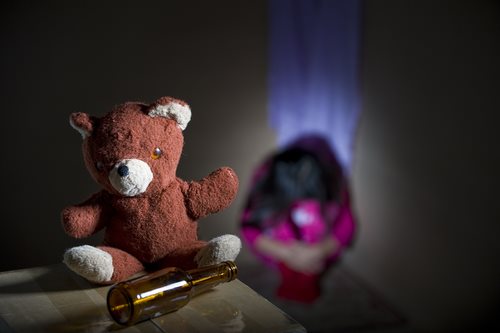
Regardless of the child abuse charge in a particular situation, all types of abuse—as well as subsequent penalties attached—are administered on a youth. The age of the victim who is being abused, therefore, is the predominant factor when deciphering and evaluating a particular child abuse case. As defined by law in the United States, a child is any individual who is younger than the age of maturity. This definition classifies the subject as an individual who lacks the maturity and growth to participate in various societal functions that are specifically reserved until adulthood.
Types of Abuse:
The term “child abuse” carries many types of abuse; the predominant types of abuse are: physical, emotional, sexual, psychological and the neglectful mistreatment of a child.
Psychological or Emotional Child Abuse: These types of abuse encompass any verbal or emotional debasement that is directed towards a minor or a child. Due to the lack of physical damage on the child, this type of child abuse can be the most difficult to observe and subsequently define.
Although the complexity and general ambiguity of these types of abuse are present, psychological and emotional abuse are extremely serious in nature; psychological or emotional abuse can alter a child’s mindset to the point where they are debilitated from achieving any sort of happiness. The most common forms of these types of abuse include: name calling, degrading, neglect, general mistreatment, lack of caring, lack of support or any other action that will impede the child from maximizing his or her potential and well-being.
Sexual Child Abuse: These types of abuse are perverse in nature and are attached with severe criminal punishments. Sexual abuse that is sexual in nature involves the participation of a sexual act with a minor, whom is legally-prohibited (based on their age) from consenting to such an act. These types of abuse are considered predatory and exploitative in nature and are regarded among the heinous of criminal activities. As a result of their egregious nature, these acts are punished according to the fullest extent of the law.
These types of abuse can also include child pornography, which is the illegal depiction of children involved in lewd, inappropriate and unlawful sexual acts.