Child Abuse and Neglect
📅 2026 Update: Recent Developments in Child Abuse and Neglect Laws
Since the original article was written, there have been significant changes in child welfare laws and funding across the United States. These updates impact how child abuse and neglect are addressed, reported, and prevented. The earlier article continues further down this page.
🏛️ Massachusetts Child Welfare Reform
On August 7, 2026, Massachusetts Governor Maura Healey signed a new law to enhance child welfare protections. This law strengthens support for children in foster care and improves family assistance. It also creates a Foster Child Bill of Rights, ensuring children receive necessary support and are treated with dignity.
💰 Federal Child Welfare Funding Increase
In January 2025, Congress expanded Title IV-B of the Social Security Act. This reauthorization increased annual funding for child welfare by $75 million, effective October 2025. This funding aims to improve child welfare systems nationwide and better respond to the needs of families and children.
📜 Family First Prevention Services Act
As of April 2026, 29 states, along with the District of Columbia and Puerto Rico, have aligned their laws with the Family First Prevention Services Act. This act focuses on preventing child maltreatment and reducing the reliance on congregate care settings for children.
🏫 Mandated Reporter Training in North Dakota
In December 2023, North Dakota introduced mandated reporter training for educators and early childhood service providers. This training aims to improve reporting practices for child abuse and neglect, ensuring that those who work with children are well-prepared to respond.
📉 Child Maltreatment Reports Decline
Reports of substantiated child maltreatment dropped from 2020 to 2023, despite an increase in referrals to child welfare agencies in 2022 and 2023. This decline suggests improvements in identifying and preventing abuse, but it is important to consider the context behind these numbers.
📌 Key Points Summary
- Massachusetts strengthened child welfare protections with new legislation.
- Federal funding for child welfare increased by $75 million annually.
- 29 states aligned laws with the Family First Prevention Services Act.
- North Dakota mandated reporter training aims to improve reporting of abuse.
- Reports of child maltreatment declined from 2020 to 2023.
💡 Tips for Understanding Child Abuse and Neglect
Review the details of your situation with an attorney to understand your options.
📋 Know the Signs of Abuse
Being aware of the signs of child abuse and neglect is essential. Look for changes in behavior, unexplained injuries, or fear of specific adults. Early recognition can lead to timely intervention.
🔍 Understand Reporting Duties
If you suspect child abuse or neglect, it is crucial to report it. Mandated reporters, like teachers and healthcare providers, have a legal obligation to report their concerns to the proper authorities.
🏠 Explore Family Support Services
Child welfare systems often provide resources for families. Services can include counseling, parenting classes, and support groups to help prevent abuse and strengthen families.
📞 Utilize Available Hotlines
Hotlines are available for those who need immediate help or support. These services can provide guidance and assistance to individuals who suspect abuse or are in crisis.
🗓️ Stay Informed About New Laws
Laws and regulations regarding child welfare can change. Keeping updated on new legislation, like the Family First Prevention Services Act, can help you understand your rights and responsibilities.
❓ Frequently Asked Questions
🤔 What should I do if I suspect child abuse?
If you suspect child abuse, it is important to report your concerns immediately. You can contact local child protective services or law enforcement for guidance on the next steps.
🏠 What resources are available for families at risk?
Many child welfare systems offer resources like counseling, parenting classes, and community support services to help families in need. These resources aim to prevent abuse and strengthen family relationships.
📈 Are child abuse reports increasing or decreasing?
Reports of substantiated child maltreatment have decreased from 2020 to 2023, although there were increases in referrals to child welfare agencies during the same period.
📜 What is the Family First Prevention Services Act?
The Family First Prevention Services Act focuses on preventing child maltreatment and aims to reduce the use of congregate care for children. It encourages states to implement family-based services.
👩🏫 Who is considered a mandated reporter?
Mandated reporters include professionals such as teachers, healthcare providers, and social workers who are legally required to report suspected cases of child abuse or neglect.
📊 How many children are currently in foster care?
As of September 30, 2024, approximately 328,947 children were in foster care in the United States, showing a 23% decrease from a peak of about 437,000 in 2018.
⚖️ Recent Court Cases Related to Child Welfare
Recent court rulings have impacted child welfare laws, focusing on the definitions and responsibilities of mandated reporters, as well as the standards for child protection services.
- Ohio court affirms convictions in child endangerment caseOhio Court of Appeals · June 25, 2026
- California Court upholds arrest of minor mistaken for fugitiveCalifornia Court of Appeal · June 25, 2026
- Utah Court of Appeals Upholds Sexual Abuse ConvictionCourt of Appeals of Utah · June 25, 2026
- Utah Appeals Court Upholds Conviction for Enticing MinorCourt of Appeals of Utah · June 25, 2026
For more information on recent rulings, check out more rulings on the news page.
End of October 2026 Update
What is Child Abuse and Neglect?
The illegal act of child abuse and neglect is formally defined as the general mishandling--through unlawful wrongdoing, neglect, or unethical activity--of a minor or child. Child abuse and neglect can be a physical, emotional or psychological attack on a minor or child, as well as the impediment of any basic right or necessity—preventing a child from attending school, for example, is a common form of child neglect.
Child neglect is a form of child abuse that occurs when the youth is impeded from receiving adequate care that is delivered as a basic human right to aid in the child’s development and growth. Any neglectful actions that impede a child’s well-being and prevents them from living a happy and healthy life is regarded as child neglect.
The legal definition of child abuse and neglect will differentiate between jurisdictions; each state has developed particular statutes to elucidate on the unfortunate, yet prevalent act. The varying regulations and interpretations aligned with child abuse and neglect are instituted to develop a qualification system in regards to removing a child from his or her family and or placing a criminal charge on the aggressor.
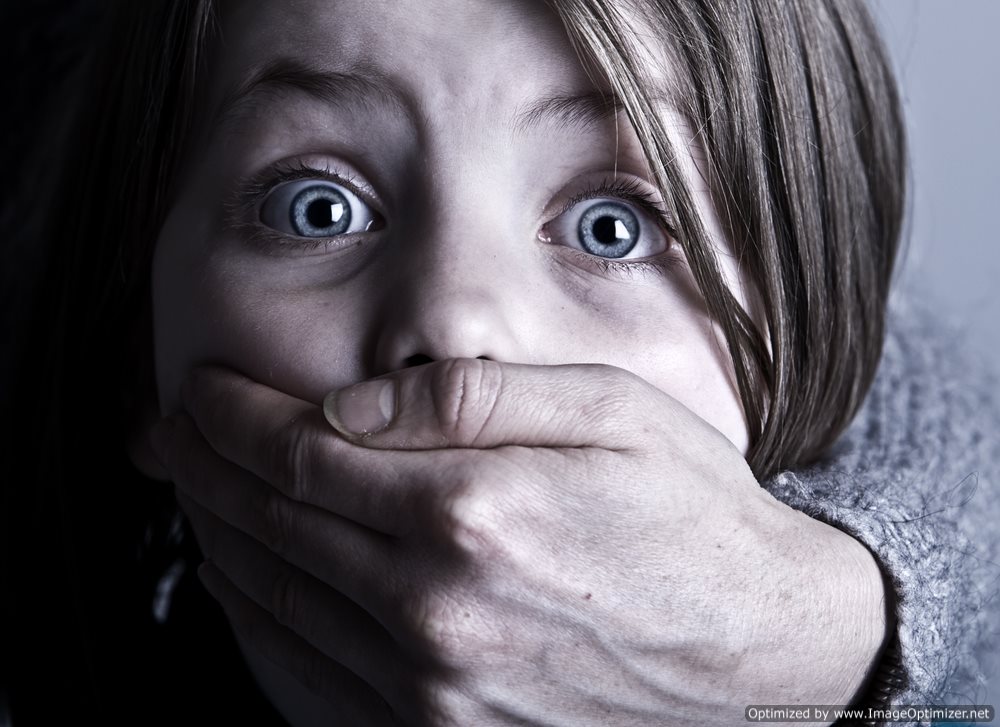
Types of Child Abuse and Neglect:
Physical Abuse and Neglect: The child is either physically abused or tangible goods, that are meant to better the child’s life, are made unavailable.
Emotional and Psychological child abuse and neglect: The child is constantly belittled and called names to the point where his or her self-image becomes horribly distorted. In regards to emotional neglect, the child is impeded from receiving psychological care, is withheld from affection and constantly belittled.
What to do if you suspect Child Abuse and Neglect:
If you suspect a situation of child abuse and neglect or you yourself suffer from the negative effects of child abuse and neglect, you must immediately report the aggressor to your local child protective services agency. Each state possesses a network of these agencies, which are established to deliver resources that encourage children and those suspecting of child abuse and neglect to come forward and reveal the heinous situation.
If you hold back and let these unfortunate actions continue, you are jeopardizing the health of the child; instances of child abuse and neglect rarely wane, but instead, intensify to the point where the child is irreparably disabled, whether in a physical, emotional or psychological sense. It is your responsibility, as a citizen of the United States, to report such instances; revealing acts of child abuse and neglect could save a life from peril and dismay.